
Outdoor Learning in Kindergarten: How Nature Play Builds Confidence in Children
15 July 2026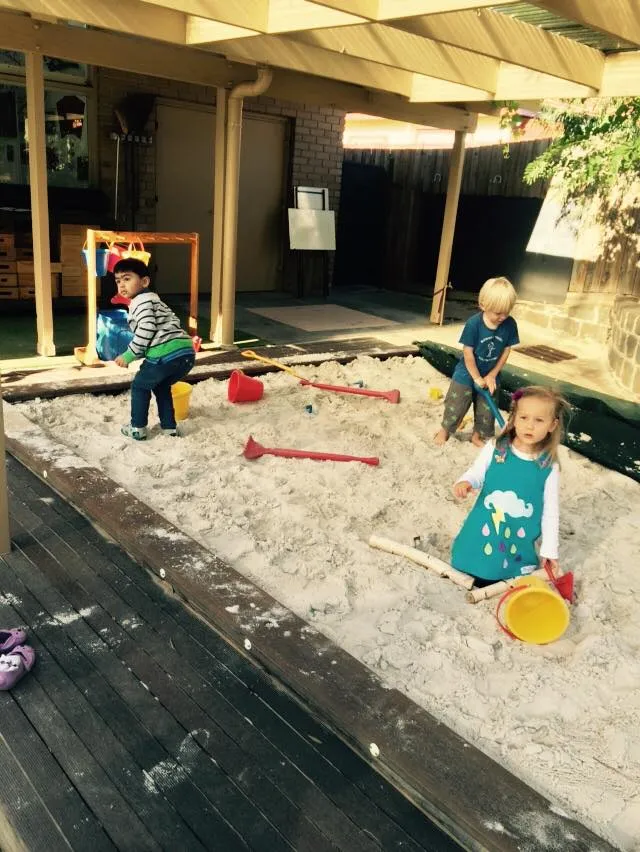
Gower Street Kindergarten in Preston uses outdoor learning in kindergarten to help children build confidence and resilience through immersive nature play.
The shift from indoor, screen-based play to natural environments is a vital change for modern early childhood development. Incorporating outdoor learning in kindergarten provides children with the “green time” they need to explore the world beyond digital boundaries. This transition is essential for fostering holistic growth and a deep connection with the natural environment.
Why Is Outdoor Learning in Kindergarten the Foundation for Building Confident Children?
Nature serves as a dynamic classroom where children think critically and solve problems using their imagination. Unlike indoor toys with fixed purposes, natural elements like sticks and stones encourage open-ended play and creative exploration. This freedom allows children to take ownership of their environment while making their own decisions.
Navigating these fluid outdoor spaces helps children develop a sense of agency that forms the foundation of self-confidence. This approach aligns with the Australian Early Years Learning Framework goals by creating involved learners who understand their impact on the world. This philosophy is a core part of play-based learning, as the sensory nature of the outdoors helps children feel grounded and more capable of handling social interactions with peers.
The Role of “Risky Play” in Developing Emotional Resilience
Risky play is a core part of the Australian kindergarten experience that focuses on providing healthy challenges within a safe and supervised environment. Children develop focus and emotional control as they test their physical limits by balancing logs or navigating steep grassy slopes. Overcoming these obstacles builds a sense of mastery and teaches children that failure is simply a necessary step toward achieving future success.
Key benefits of engaging in managed risky play include:
- Improved spatial awareness and physical coordination through navigating uneven terrain.
- Enhanced problem-solving skills as children assess the best way to climb or move through a space.
- Greater emotional regulation as they learn to handle minor setbacks with persistence and calm.
- Increased self-reliance that comes from making independent safety assessments and trusting their own instincts.
Extending the Learning: Bringing Nature Play to Your Own Backyard
The advantages of nature-based education transition easily from the kindergarten classroom to the home environment. Parents can encourage confidence by swapping electronic devices for “loose parts” like sand, water, and smooth stones in the backyard. This simple change allows children to lead their own discovery and reinforces the idea that learning is an active process.
By acting as observers rather than directors, parents help their children develop the initiative and self-belief needed to thrive. Engaging with native Australian gardens or local bushland also helps children foster a deep sense of belonging within their community. These outdoor experiences ensure that the lessons learned at kindergarten continue to flourish at home.
Experience the Excellence of Gower Street Kindergarten
Gower Street Kindergarten provides a nurturing environment that prioritises the unique developmental needs of every child through our dedicated team. By integrating outdoor learning in kindergarten into our daily curriculum, we help our students build the resilience and confidence they need for a successful transition to primary school. We invite families seeking holistic education and meaningful play to join our community and learn more about our specialised programmes.
Contact us to book a tour and see how we can support your child’s early learning journey while fostering a lifelong love for discovery.
Related Blog Articles:
Kindergarten Holistic Learning Approach: Beyond ABCs and 123s
Ideal Learning Hours and Time Frame for Kindergarten in Australia
